The Executive Talent Market Is Shifting
We see it in almost every boardroom discussion in Bogotá, Medellín, and across the region. The leaders who drove success just two years ago often lack the specific toolkit required for the challenges of 2026. Economic pressures, rapid technological shifts, and new regulatory frameworks are redefining what effective leadership looks like in Colombia and Latin America.
Business owners and boards competing for top talent can no longer rely on the recruiting playbooks of the past. Staying ahead requires rigorous talent mapping and market intelligence. Companies that fail to adapt their hiring strategies risk falling behind competitors who have already pivoted to these new profiles.
Our team has identified the ten most critical trends defining executive hiring for 2026.
Trend 1: The Rise of Sustainability-Native Executives
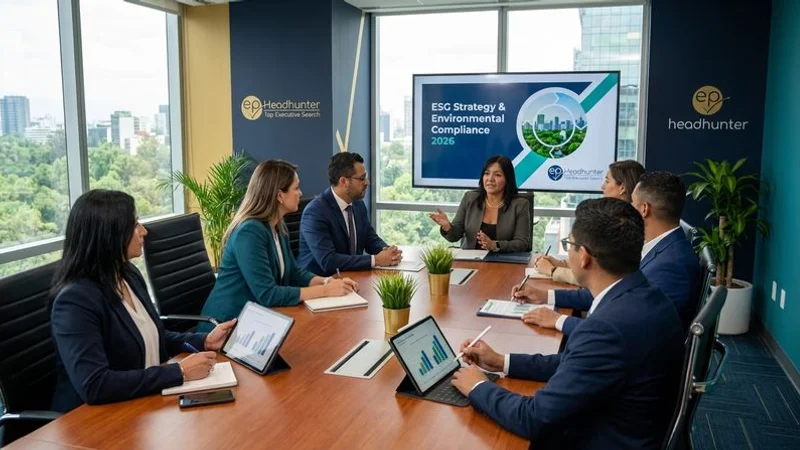
Environmental, Social, and Governance (ESG) criteria have graduated from marketing talking points to core operational requirements. We find that boards are no longer satisfied with executives who simply delegate sustainability to a committee. They demand leaders who can integrate these principles directly into the P&L.
What this means in practice:
- CFOs must now manage “Green Financing” and reporting under standards like the IFRS S1 and S2.
- COOs are expected to reduce carbon footprints within logistics networks while maintaining efficiency.
- CEOs need the ability to communicate credible ESG progress to international investors and local communities.
- CSOs (Chief Sustainability Officers) are moving from advisory roles to decision-making C-suite positions.
The Colombian Context: Colombia’s “Taxonomía Verde” (Green Taxonomy) has created specific compliance hurdles that didn’t exist a few years ago. We advise clients to look for candidates familiar with the Superintendencia Financiera’s disclosure requirements. A leader who understands these local regulations can save your company from costly compliance gaps.
Trend 2: AI-Literate Leadership Becomes Non-Negotiable
Artificial intelligence has shifted from a tech novelty to a fundamental business engine. We no longer see AI literacy as optional for the C-suite. Boards now expect every executive, from Marketing to HR, to understand how predictive modeling and automation impact their specific departments.
The shift in expectations:
| Role | Old Expectation | 2026 Requirement |
|---|---|---|
| CEO | Approves tech budget | Defines the AI-driven business model |
| CFO | Cost control focus | Uses AI for real-time risk forecasting |
| CMO | Brand management | Hyper-personalization via machine learning |
Why this matters for your hiring: This doesn’t mean you need a data scientist in the CEO chair. It means you need leaders who can distinguish between a viable AI investment and hype. Our searches show that candidates who can demonstrate a track record of implementing tools like Microsoft Copilot or Salesforce Einstein to drive efficiency command 15% to 20% higher compensation packages.
Trend 3: The Fractional and Portfolio Executive Model
Many senior leaders are moving away from the single-employer model to serve as advisors for multiple companies. This “portfolio career” approach allows businesses to access top-tier talent without the burden of a full-time executive salary.
Drivers of this trend:
- Cost Efficiency: Hiring a fractional CFO for two days a week is significantly cheaper than a full “Salario Integral” package with full benefits.
- Access to Expertise: Startups and SMEs can tap into veterans who have scaled major corporations.
- Flexibility: Companies can surge leadership capacity during specific projects, such as a merger or system implementation.
Insider Tip: In Colombia, utilizing “Contratos de Prestación de Servicios” for these roles is common. We recommend defining clear deliverables rather than hours worked to maintain the legal distinction from an employment relationship. This approach grants you high-level strategy while keeping your fixed payroll costs manageable.
Trend 4: Board Composition Driving Executive Demand
The makeup of the board directly dictates the profile of the management team. We are witnessing a push for professionalization in boardrooms that is cascading down to C-level hiring criteria.
Key board-level shifts:
- Independent Directors: There is a strong movement, even in family-owned firms, to bring in outsiders who offer objective oversight.
- Specialized Committees: Boards are forming specific committees for Cybersecurity and Talent, requiring executives who can speak that language.
- Accountability: Tenure is shortening. Boards are quicker to replace executives who cannot meet specific, quarterly performance metrics.
Diversity is a priority: Colombia is seeing increased pressure to diversify boardrooms. This isn’t just about optics. Diverse boards are demanding diverse candidate slates for executive roles. We have seen that companies presenting diverse leadership teams are often viewed more favorably by international partners and investors.
Trend 5: The Talent Migration Rebalancing
Talent movement in 2026 is multidirectional and complex. We are tracking significant shifts in where talent is coming from and where it is going.
Key migration dynamics:
- The Boomerang Effect: Colombian executives who spent the last decade in Madrid, Miami, or London are returning. They bring global best practices but know how to navigate local culture.
- Nearshoring Hubs: Cities like Barranquilla and Medellín are becoming magnets for Operations and IT executives due to the influx of BPO and tech centers.
- Regional Redistribution: Highly skilled professionals from Venezuela and Argentina continue to integrate into the Colombian C-suite, filling critical gaps in engineering and finance.
The “Dollarization” Challenge: Local companies often compete against US firms hiring remote talent. These international competitors pay in USD. To compete, local firms must offer superior benefits, equity, or quality of life perks, as matching the raw salary figures is often impossible.
Trend 6: Mental Health and Executive Wellbeing
Burnout is a tangible risk to business continuity. We have seen high-performing leaders exit abruptly due to stress, leaving organizations in a lurch. Mental health support is now a strategic retention tool.
Emerging organizational responses:
- Mandatory Disconnection: Strict adherence to policies that discourage weekend emails.
- Coaching: Providing confidential external coaches rather than just internal mentors.
- Sabbaticals: Offering structured breaks for leaders with 5+ years of tenure.
Legal Context: Colombia’s Law 2191 of 2022 (Ley de Desconexión Laboral) mandates that employees have a right to disconnect. While this often targets general staff, smart organizations apply the spirit of this law to their executives too. We find that respecting these boundaries is a powerful selling point when recruiting senior leaders who have experienced burnout elsewhere.
Trend 7: Data-Driven Talent Decisions
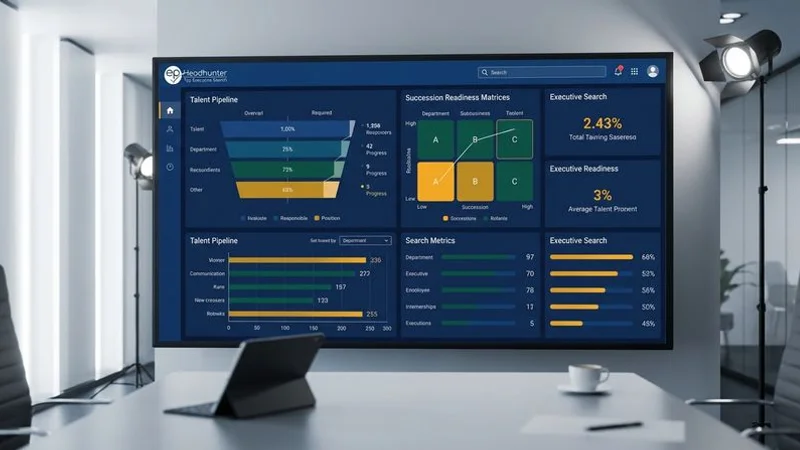
Gut feeling is no longer enough when hiring a VP. We use data to validate instincts and reduce the risk of a bad hire.
Applications include:
- Psychometric Benchmarking: Using talent assessment tools like Hogan or DISC to compare a candidate’s profile against your top performers.
- Retention Analytics: analyzing why leaders leave to fix internal culture issues before hiring replacements.
- Compensation Intelligence: Using real-time salary surveys to ensure offers are competitive but not wasteful.
The measurable impact: Companies that use data to assess cultural fit increase new hire retention by over 40%. A bad executive hire can cost up to 213% of their annual salary. Data is your insurance policy against that loss.
Trend 8: The Evolving Role of the CHRO
The Chief Human Resources Officer has become a critical business partner. We see CEOs relying on CHROs to guide strategy, not just process payroll.
The expanded CHRO mandate:
- Strategic Planning: Aligning workforce capabilities with 5-year business goals.
- Culture Architect: Actively shaping the environment to drive performance.
- Change Management: Leading the human side of digital transformation and M&A.
Hiring Implication: The days of the administrative “Jefe de Personal” are fading. You need a “Gerente de Talento” who understands EBITDA as well as they understand labor law. Finding this blend of commercial acumen and people skills is difficult, driving salaries for this role higher than ever before.
Trend 9: Generational Leadership Transitions in Family Enterprises
Family-owned businesses form the backbone of the Latin American economy. We are currently observing a massive wave of transition as founders step back.
Key dynamics:
- Professionalization: Families are hiring non-family CEOs to run the day-to-day operations while the family moves to the board.
- Governance Structures: The establishment of Family Protocols is clarifying the rules of engagement for hiring relatives vs. professionals.
- Integration Risks: Bringing a corporate executive into a family firm requires careful cultural vetting.
The “Third Generation” Challenge: Statistics show that many family businesses fail during the transition to the third generation. We advise clients to start succession planning at least three years in advance. This allows time to groom internal family talent or identify an external leader who respects the legacy while driving necessary innovation.
Trend 10: Regional Integration Creating Pan-Latin American Roles
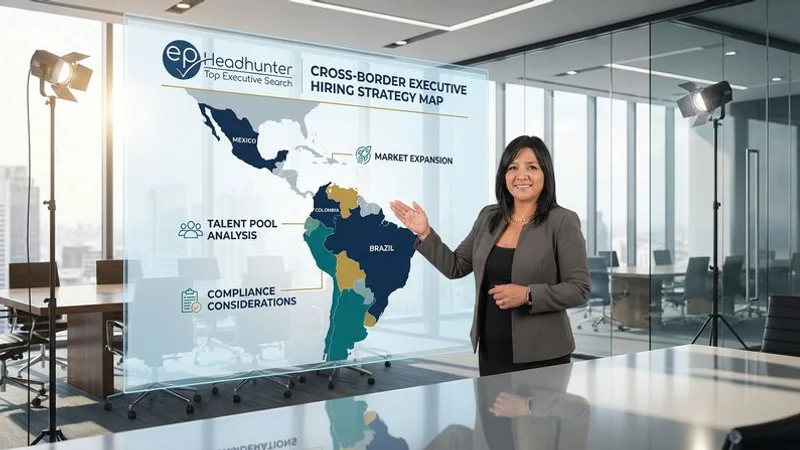
Business borders are blurring. We frequently recruit for roles based in Bogotá that have oversight for the entire Andean region or Northern Latin America.
Common regional role structures:
- Regional General Manager: Overseeing Colombia, Peru, and Ecuador.
- Cluster Leads: Managing sales teams across Central America and the Caribbean from a Colombian hub.
- Shared Services Leaders: directing finance or HR operations for multiple countries.
Profile requirements: These roles require a “diplomat” mindset. A leader must navigate the regulatory differences between Colombian labor law and Peruvian tax codes. We test specifically for cross-cultural agility—the ability to adapt management styles to fit local nuances while maintaining a cohesive regional strategy.
What These Trends Mean for Your Organization
These shifts are not temporary. They represent the new reality of doing business in Latin America. Organizations that ignore them will struggle to attract the leadership needed to grow.
Actionable steps for business owners:
- Audit your job descriptions: Do they mention AI, sustainability, or regional scope?
- Review your compensation: Are you offering the flexibility and benefits 2026 leaders demand?
- Assess your board: Do you have the right mix of independence and expertise to guide the executive team?
How EP HeadHunter Keeps You Ahead
Our daily conversations with the market give us a unique vantage point. We don’t just fill vacancies; we advise partners on how to structure roles that attract the top 1% of talent.
We help you see around corners. Whether you need a fractional CFO to navigate a cash crunch or a permanent CEO through executive search to lead a regional expansion, we understand the specific dynamics of the Colombian and Latin American markets.
Ready to future-proof your leadership team? Contact EP HeadHunter today. Let’s discuss how we can help you build an executive strategy that turns these trends into your competitive advantage.